
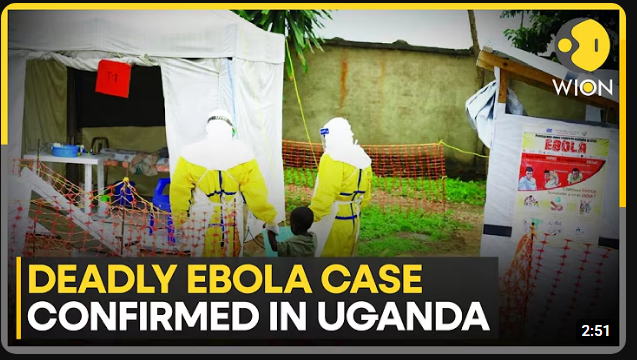
Uganda’s Ministry of Health has confirmed an imported case of Ebola Virus Disease (Bundibugyo strain) in the capital Kampala, prompting heightened surveillance and contact tracing as a major outbreak continues to rage in neighbouring Democratic Republic of Congo (DRC).
The victim, a 59-year-old Congolese national, was admitted to Kibuli Muslim Hospital on Monday, May 11, after developing hemorrhagic symptoms. He succumbed in intensive care on May 14. Laboratory tests conducted posthumously confirmed infection with the Bundibugyo strain of Ebola, the same variant driving the outbreak across the border.
Health authorities have described the case as “imported” from the DRC and stressed that no locally transmitted cases have been detected in Uganda so far. All identified contacts of the deceased, including a high-risk close relative, have been quarantined and are under close monitoring. The victim’s remains have since been repatriated.
Regional Outbreak Context
The confirmation comes as the Africa Centres for Disease Control and Prevention (Africa CDC) and the World Health Organization (WHO) scale up response to a significant Ebola outbreak in Ituri Province, northeastern DRC. As of May 15, officials reported 246 suspected cases and approximately 65 deaths, mainly in Mongwalu, Rwampara, and parts of Bunia health zones. Laboratory confirmation has so far identified 13 positive cases, with four deaths among them.
This marks the 17th Ebola outbreak in the DRC since the virus was first identified in 1976. Unusually, it is driven by the Bundibugyo strain rather than the more common Zaire ebolavirus. There are currently no approved vaccines or specific therapeutics for Bundibugyo, complicating response efforts. The strain was first identified in Uganda’s Bundibugyo district in 2007.
Ituri Province borders Uganda and South Sudan, with high cross-border movement linked to trade, mining, and family ties, raising fears of further regional spread.
Uganda’s Preparedness and Response
Uganda, which has successfully contained multiple Ebola outbreaks in the past, has activated its emergency response systems. The Ministry of Health, in collaboration with WHO, Africa CDC, and other partners, has intensified border surveillance, especially at points along the DRC frontier.
Permanent Secretary Dr. Diana Atwine urged the public to remain vigilant and report any suspicious symptoms immediately. Classic Ebola symptoms include sudden fever, severe headache, muscle pain, weakness, fatigue, diarrhoea, vomiting, abdominal pain, and unexplained bleeding.
“Uganda has strong experience managing viral haemorrhagic fevers,” a senior health official noted. “Our rapid detection and contact tracing protocols have proven effective before, and we are applying those lessons now.”
Public Health Advisory
Health officials are advising citizens to:
- Avoid direct contact with blood, bodily fluids, or tissues of infected persons or animals.
- Practice strict hand hygiene.
- Report anyone with Ebola-like symptoms who has recently travelled from affected areas.
- Avoid traditional burial practices that involve direct contact with the deceased.
The development has triggered regional coordination meetings, with Uganda, DRC, and South Sudan expected to strengthen information sharing and joint response mechanisms.
TrendingUG.com will continue to monitor this evolving situation and provide updates as more information becomes available from the Ministry of Health and international partners.
Stay safe. Stay informed.