
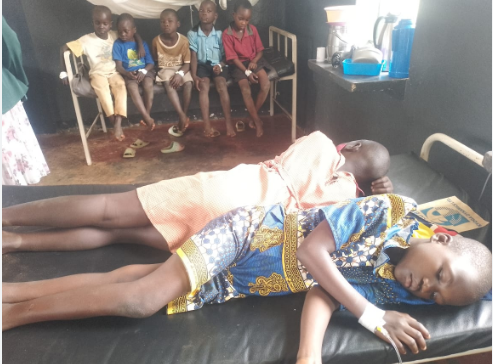
Panic gripped Buwanda Primary School in Nawampiti Sub-county, Luuka District, on Friday morning after more than two dozen pupils fell ill shortly after sharing a local delicacy.
At about 9:00 a.m. on 7 August 2026, a Primary Three teacher noticed one learner complaining of stomach pain during class. Within minutes, several other pupils developed similar symptoms. School officials quickly realised that the children had eaten white ants, known locally as nseene or nswa, brought to school by a fellow pupil.
According to preliminary accounts, the insects were shared among classmates before the symptoms appeared. One pupil, identified as Namukose Peace, told authorities that her mother had given her the white ants. Earlier statements from district officials suggested the child who distributed them later left the school grounds.
The affected learners, numbering between 25 and 26, were first taken to Ikonia Health Centre III. Due to the number of cases and the need for closer monitoring, they were later referred to Kiyunga Health Centre IV, where they continue to receive treatment.
Luuka Resident District Commissioner Michael Kibwika confirmed the incident and said the pupils were under medical care. “Twenty-five pupils at Buwanda Primary School in Nawampiti have been poisoned. The victims have been evacuated to Kiyunga Health Centre IV where they are undergoing serious treatment and so far all cases are under management,” he stated.
Police in the Busoga North Region have opened a case of suspected poisoning at Nawampiti Police Station. Regional spokesperson SP Samson Lubega said investigators are working to establish the exact source of the contamination and whether any toxic substance was involved. “It is still too early to conclude the cause,” he noted, urging the public to remain calm as inquiries continue.
White ants are a popular seasonal snack in many parts of Uganda, often collected and shared among children. Health experts, however, have long cautioned that insects collected from the wild can sometimes carry pesticides or other contaminants if not properly prepared.
Parents and community members expressed shock and concern over the incident. Many called for stronger guidance on what food children bring to school and closer supervision during break times. School administrators, led by the Director of Studies and Deputy Head Teacher, acted swiftly to arrange medical attention, a response that local leaders have acknowledged.
As the pupils recover, police continue their search for clearer answers. The investigation will examine how the white ants came into the school, whether they were deliberately or accidentally contaminated, and what measures can prevent similar incidents in future.
For now, the priority remains the well-being of the children. District and health officials say all the affected learners are receiving the care they need, and parents have been advised to monitor any lingering symptoms closely.
The episode has once again highlighted the everyday risks that can turn a common childhood treat into a medical emergency, and the importance of vigilance around food shared in school settings.