
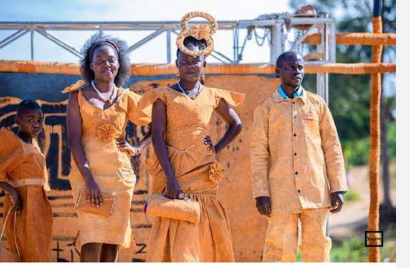
Kampala, Uganda. Nnaalinnya Agnes Lubuga Nabaloga made a call to reclaim Ugandas indigenous heritage. She wants young people to learn about the cultural value of bark cloth. Bark cloth is one of Bugandas treasured traditional crafts.
Nnaalinnya Agnes Lubuga Nabaloga made this call during the launch of a 30-day Bark Cloth Exhibition and Training Programme. The programme was held at the Uganda Tourism Board headquarters in Kampala. The goal is to promote the conservation and modern use of bark cloth. They also want to show its potential. In Uganda people know bark cloth as olubugo.
Bark cloth is made from the bark of the mutuba tree. It has a historical significance in Buganda. For a time people have used it for clothing, royal ceremonies, burial rites and spiritual practices. In 2005 UNESCO recognised it as an Intangible Cultural Heritage of Humanity. This shows how important it is to the worlds culture.
Nnaalinnya Lubuga said that preserving knowledge is not just about the past. It is about creating wealth and identity for generations. She said that preserving traditions is key to keeping our identity. It also helps create wealth. Bark cloth production can provide economic opportunities. It can change peoples lives if young people start making it.
The exhibition will run for 30 days. It will show contemporary uses of bark cloth. You will see garments and art pieces. You will also see fashion, interior decor and eco-friendly products. Alongside the exhibition there will be training sessions. These sessions will teach artisans and young people how to harvest, process. Make new products from bark cloth.
State Minister for Older Persons Jackline Mbabazi said that bark cloth products need to be of quality. They need to be more attractive to consumers. They also need to be competitive in markets. She said that parents should encourage their children to learn about bark cloth. This way they can appreciate their culture. Learn practical skills. These skills can provide them with a livelihood.
Fredrick Mutebi of Bumu Art Gallery talked about the need for investment in conservation. He said that more mutuba trees need to be planted. Artisans need to be trained in a way. There also needs to be legal protection for Ugandas bark cloth heritage. This can be done through intellectual property rights. He said that investing in conservation and skills development will strengthen the bark cloth industry. It will also increase its contribution to the economy.
Many important people from the Buganda Kingdom were at the launch. These included Prince David Kintu Wasajja, Nnaalinnya Sarah Kagere, senior clan leaders, county chiefs and kingdom ministers. The event is part of the activities to mark the coronation anniversary of Kabaka Ronald Muwenda Mutebi II.
The organisers want to take bark cloth beyond its use. They want to use it in creative industries. There is a growing demand for sustainable and ethically produced materials. Bark cloth is being used more and more in fashion, art galleries and eco-conscious products. As Uganda promotes tourism and the creative economy initiatives like this exhibition are important. They can help turn heritage into an economic asset. For people the message is clear: the future of bark cloth is, in the hands of Ugandas young people. They need to be creative and entrepreneurial to make bark cloth a success.