
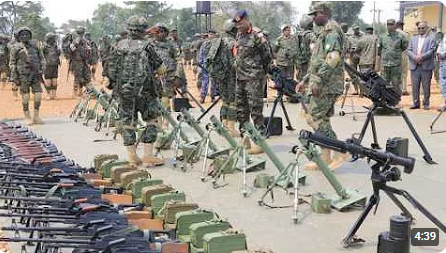
The Uganda Peoples Defence Forces has once again demonstrated its readiness to act beyond our borders. Last week, the Eastern Africa Standby Force completed a verification exercise in Uganda and confirmed that UPDF troops are ready for regional peace support operations. Officers from several East African countries came, inspected equipment, checked training standards, and left satisfied.
For those of us who follow security matters, this was not surprising. The UPDF has built a solid reputation over the years in Somalia, South Sudan, and other areas. What is new is the increasing call for the region to rely more on itself.
Senior officers and officials are now saying that external support is declining. Western partners are focusing more on their own issues, and Africa must take greater responsibility for its security. That message was clear during the verification exercise and in the statements that followed.
One senior UPDF officer, who wanted to remain anonymous, said the force has improved its rapid deployment capability. “We can move faster now than we could five years ago. The equipment is better, the training is more rigorous, and the soldiers understand the regional environment,” he said.
The Eastern Africa Standby Force is intended to be the region’s quick response tool when conflict arises or when a country requests help. Uganda has always been one of the strongest contributors. The recent confirmation of readiness means that if a crisis occurs tomorrow, Ugandan troops could be among the first to respond.
However, readiness alone is not enough. Officials are calling for stronger cooperation among East African states. They want better intelligence sharing, joint training, and clearer rules for how forces can be deployed across borders. Without that, even the best-prepared army can face delays caused by politics.
Some observers point out that the region still faces many threats. Al-Shabaab remains active, tensions in the Great Lakes continue, and new challenges like climate-related conflicts are increasing. In such a situation, a well-prepared standby force grows more important each year.
The verification exercise also allowed Uganda to showcase its military progress. Visitors saw modern equipment, well-maintained bases, and disciplined troops. For a country that has invested heavily in its defense forces, this positive evaluation was welcome news.
Still, questions remain. How long can the region depend on individual countries to shoulder most of the burden? Will other member states step up their contributions in terms of both troops and funding? These are the issues that will determine whether the Eastern Africa Standby Force becomes an effective tool or remains mostly theoretical.
For now, the UPDF has fulfilled its role. The troops are ready, and the equipment has been checked. The region has been informed that Uganda can be relied upon.
Whether the rest of East Africa will match that commitment is the next test. In a world where outside help is becoming less reliable, that test may come sooner than many expect.
As one defense analyst noted, “Preparedness is good, but collective will is better. Uganda has shown its preparedness. Now the region must demonstrate the will.”