
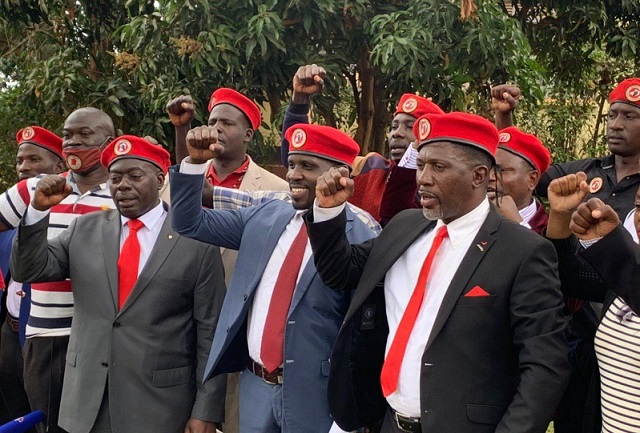
On August 18, 2025, Uganda really felt like it was standing at a turning point. Politically, socially and even in the economy, so much was happening at the same time—some of it full of hope, some of it heavy with tension. I followed these stories closely and put together my own observations, from Bobi Wine’s growing momentum to the struggles of ordinary people, the small sparks of economic progress, and the joy of sports victories.
1. Bobi Wine and NUP’s Political Surge: A Step Toward 2026
One of the biggest things I saw that day was NUP’s formal preperations for 2026. A top team led by David Lewis Rubongoya, Joel Ssenyonyi, Dr. Lina Zedriga and Jolly Jacqueline went to the Electoral Commission to pick presidential nomination forms for Bobi Wine (Robert Kyagulanyi).
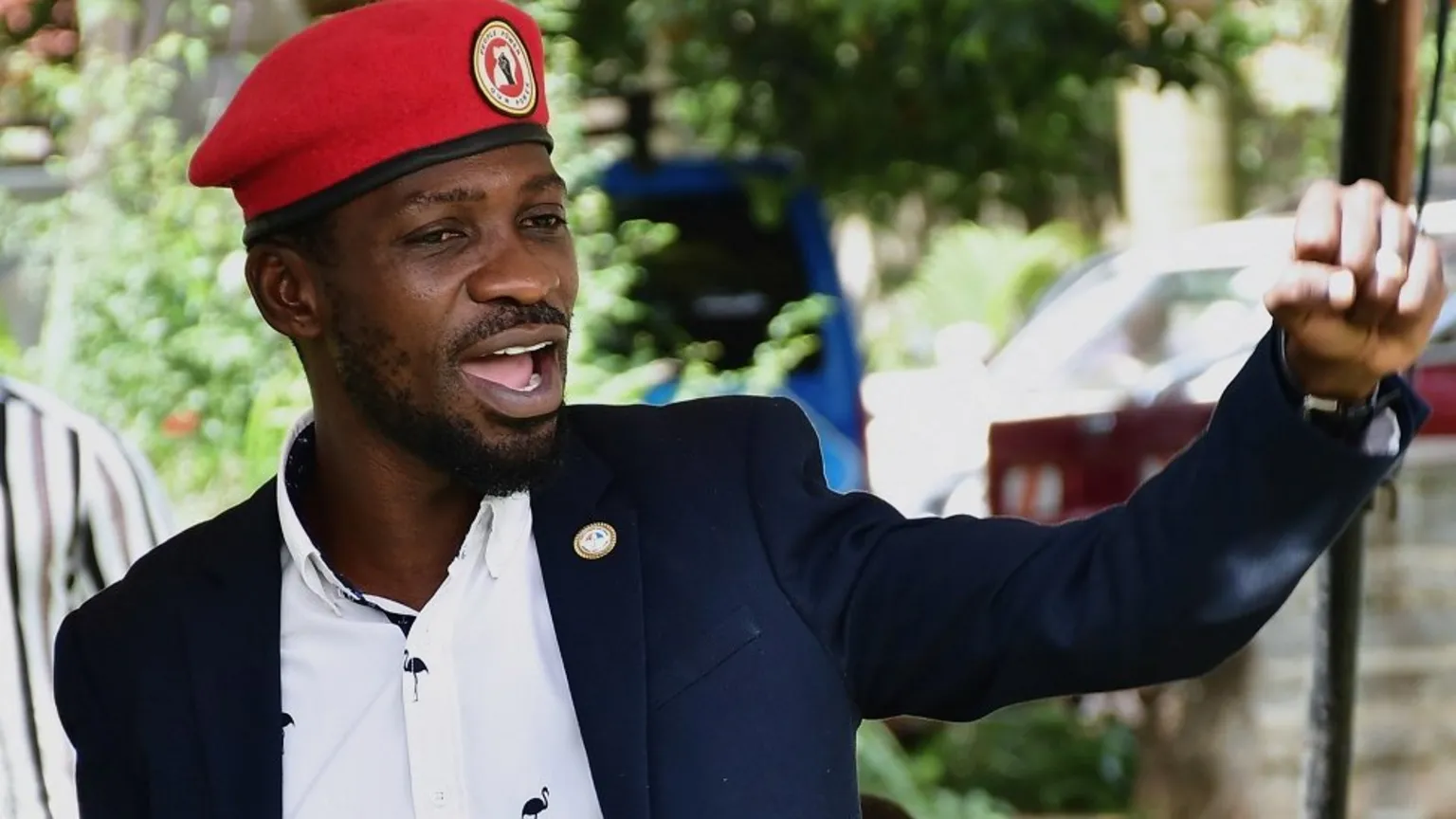
This wasn’t just another step of paper work. For me it felt like a clear statement: NUP is going all in. Rubongoya also showed the party’s new slogan “New Uganda Now”—words that many young people have already started rallying behind because they speak to their frustrations with corruption and oppresion.
The EC allowed the party to start collecting signatures countrywide, which means the real grassroots push is about to get more intense.
At the same time, Bobi Wine kept using his social media to push the fight. Just a day earlier, he talked about the death of Marinos Alexandros, a supporter who was allegedly abducted and tortured just for playing his music. That tragedy caused outrage. I also saw how Bobi Wine is challenging the new UPDF Ammendment Act in court, saying it takes away civilian rights by forcing people into military courts. He is mixing legal action, activism and mobilisation—something that clearly shows he’s now Museveni’s main opponent.
2. Economic Resilience Amid Global Challenges

I also paid attention to the economic stories that surfaced that day. In Nebbi, I saw how the Emyooga program is helping small businesses and farmers grow. Women’s groups turned their farming cooperative into a serious supplier of maize and cassava to nearby markets. That kind of progress gives hope, especially because the new 2025/26 budget also promises tax incentives for startups.
But there are challenges. Uganda is facing the risk of a 10% tariff increase on exports to the U.S., worth about $132 million a year. Coffee, fish, textiles—all of these could be hit hard. Government officials are calling for either renegotiation of the trade deal or finding new markets in Eastern Europe. It made me realise how exposed Uganda still is to outside powers, even when we talk about “self-reliance.
3. Social Crises: Kiteezi Landfill and Pakwach Evictions
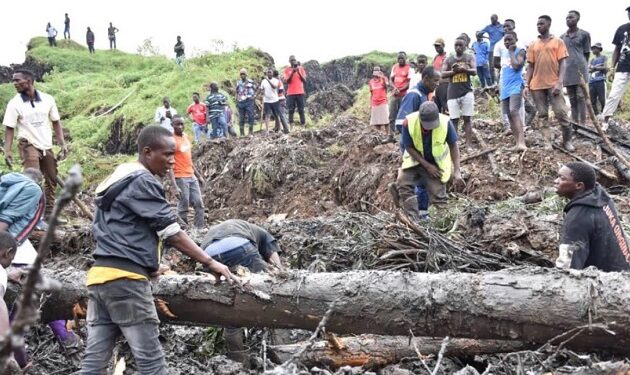
Two painful social stories stood out for me.
First, the Kiteezi landfill disaster that happened a year ago in Kampala. Families are still waiting for compensation. Some lost loved ones, others lost their homes, and yet nothing has been done to help them rebuild. When I listened to victims, you could hear the pain in their voices. Experts keep saying Kampala’s waste management system is broken, but government has moved slowly.
Second, in Pakwach, evictions of nomadic herdsmen resumed. Local leaders defended the move, saying it’s for development, but the herdsmen are losing their grazing lands and their way of life. This is the old land question again—development versus people’s survival. It’s a balance Uganda still hasn’t figured out.
4. Sports as a Unifying Force: FEASSA Games Triumph
Amidst all the heavy news, sports brought some light. Uganda’s secondary school teams shined at the FEASSA Games in Kakamega, Kenya. From basketball to netball, volleyball, rugby and football, our young athletes showed real talent. St. Noa Girls won 79-36 against Kenya’s Juhudi SS, and Hamdan Islamic School crushed Tanzania’s Bigogwa in netball.
Watching these victories made me proud. It also showed me that if we invest more in sports, Uganda can stand tall regionally and even globally.
5. Wider Political Context: Tensions and Legal Battles
Still, the bigger political environment remains tense. The army has been warning as elections draw near. Opposition leaders like Dr. Kizza Besigye remain in detention after their bail requests were thrown out. NUP members such as Eddie Mutwe are still locked up. For many of us, it feels like a deliberate plan to silence voices of dissent.
Meanwhile, the ruling NRM is busy with primaries, reminding everyone of its heavy machinery. President Museveni is also preparing his State of the Nation Address, where he is expected to talk about security, trade and human rights—all issues that are burning in public debates right now.
6. Why I Think This Moment Matters
For me, August 18 showed clearly that Uganda is standing on a knife edge. Bobi Wine’s nomination forms and “New Uganda Now” campaign symbolise a real challenge to Museveni’s four decades in power. Local economic projects like Emyooga prove that ordinary people are resilient, but global trade risks and unresolved social crisises show how fragile things still are.
And then there is sports, where young Ugandans keep giving us reasons to believe in our future.
7. Looking Ahead to 2026
Uganda is heading into 2026 with hope and fear side by side. The opposition is stronger, but so are the pressures against it. The economy is trying to stand on its own, but global politics keeps shaking it. Social crises like Kiteezi and Pakwach remind us how much suffering is still unresolved.
As I continue to follow and reflect on these stories, I believe the next year will decide what kind of Uganda we are becoming—a country chained to the past or one ready for a fresh start.