
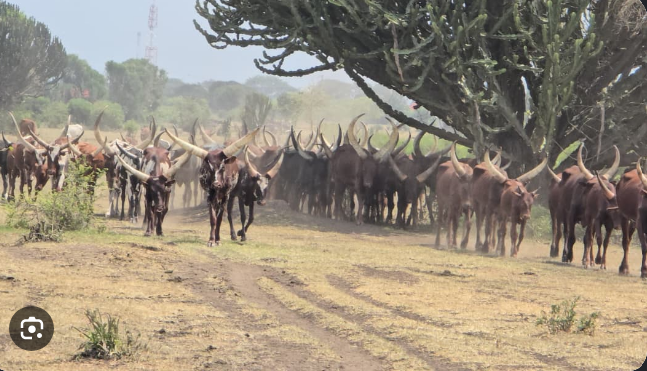
Kasese — Nearly 1,000 cattle have died in Nyakatonzi Sub-county, Kasese District, over the past month as a prolonged drought continues to devastate livestock farming in the area.
Farmers in the cattle corridor say the lack of pasture and water has left animals severely weakened, with many dying from hunger and dehydration. The crisis has also caused a sharp collapse in milk production. Daily output, which previously stood at around 40,000 litres, has dropped to less than 1,000 litres, dealing a heavy blow to households that depend on dairy for income.
Local cattle keepers report that the situation has worsened rapidly. An earlier assessment about a month ago found that nearly 300 animals had already died within two weeks. Since then, hundreds more have perished as water sources and grazing lands continue to dry up. The weakest animals are the first to succumb, while survivors are left in poor condition.
The drought has also driven down livestock prices. Farmers say a cow that would normally sell for between Shs 2 million and Shs 3 million is now fetching as little as Shs 150,000. Many are forced to sell animals at these low prices simply to avoid total loss, compounding their financial difficulties.
Community leaders and farmers have expressed deep concern over the impact on livelihoods. Livestock keeping is a primary source of income and food security for many families in Nyakatonzi and surrounding areas. The sudden loss of animals and the near-collapse of milk production have left households struggling to meet basic needs.
The dry conditions are not limited to Kasese. Similar challenges have been reported in other parts of western and central Uganda, where pasture and water scarcity are affecting both livestock and crop farming. Coffee farmers in neighbouring districts have also reported significant losses due to the same prolonged dry spell and high temperatures.
Authorities and agricultural officials are monitoring the situation. While seasonal rains have begun in some areas, farmers warn that the damage already done to livestock and pastures will take time to reverse. Recovery will require not only rainfall but also support measures such as provision of alternative feed, water sources, and veterinary services to help remaining animals regain strength.
The crisis highlights the vulnerability of Uganda’s livestock sector to climate extremes. Many farmers in the cattle corridor still rely heavily on natural pasture and surface water, making them highly exposed when dry spells persist. Calls for expanded irrigation, better water harvesting systems, and climate-resilient livestock management are growing louder among affected communities.
Local leaders have urged government and development partners to respond urgently with emergency feed, water trucking, and restocking programmes once conditions improve. Without timely intervention, they warn, more animals could be lost and the economic recovery of farming households delayed further.
For now, farmers in Nyakatonzi continue to watch the skies and do what they can to keep surviving cattle alive. The scale of the losses has left a deep mark on the community, underscoring the urgent need for stronger drought preparedness in Uganda’s livestock-dependent regions.