
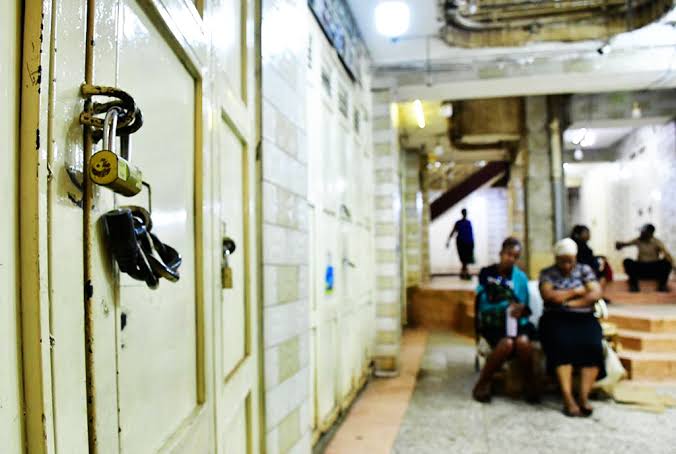
Business activity across Kampala came to a near standstill on Tuesday, November 17, 2026, as traders under the Kampala City Traders Association (KACITA) closed their shops in a protest against what they describe as excessive taxation, prolonged customs clearance delays, high storage fees, and harsh enforcement practices by the Uganda Revenue Authority (URA).
The industrial action, which began in the morning, affected major commercial hubs including downtown Kampala, Mini Price, Qualicel Bus Terminal, Kampala Road, Park View Arcade, and shopping centres along Nabugabo Road such as Skylight. Normally bustling arcades and streets were unusually quiet, with many shop attendants and employees seen sitting outside locked premises waiting for developments.
KACITA had announced the planned shutdown days earlier after talks with URA collapsed. Traders cite long delays in clearing goods at customs, particularly under the newer WT8 system that replaced the previous PB4 arrangement, as a major grievance. They also complain about the enforcement of the Electronic Fiscal Receipting and Invoicing System (EFRIS), arbitrary impounding of trucks, restrictions on groupage cargo (shared container shipments commonly used by smaller importers), and overall high tax burdens that they say are pushing many businesses toward collapse.
According to KACITA leadership, earlier attempts to meet URA Commissioner General John Musinguzi Rujoki failed. One scheduled meeting did not take place, while another broke down over security and protocol requirements, including a demand that traders leave their mobile phones at the entrance. Traders argue that these administrative bottlenecks, combined with rising demurrage (storage) charges, are making it increasingly difficult for local businesses to compete, especially against foreign-owned retail outlets.
The protest comes at a sensitive time as the country approaches the festive season, traditionally one of the busiest periods for traders. KACITA had initially signaled a possible month-long nationwide strike if their concerns were not addressed. However, some business leaders and landlords have urged restraint, warning that prolonged closures could hurt both traders and the wider economy. One trader representative publicly called for dialogue instead of shutdowns, noting that the festive period is critical for recovering earlier losses.
In response to the escalating tension, Finance Minister Henry Musasizi convened an emergency meeting involving URA and KACITA leadership. The meeting is scheduled for Thursday, November 19, 2026, at the Ministry of Finance headquarters in Kampala. Musasizi’s intervention followed a formal request from the traders’ association seeking government mediation after failed direct talks with the tax body.
URA has previously defended its systems as necessary for improving tax compliance aauthority has indicated willingness to continue discussions, though traders remain skeptical after recent breakdowns in communication.
This is not the first time Kampala traders have taken industrial action over tax issues. A similar strike in 2024 over EFRIS enforcement disrupted business for several days before presidential intervention helped ease tensions. Analysts say the current dispute highlights ongoing friction between the government’s revenue targets and the operational realities faced by small and medium-sized traders who form the backbone of Uganda’s informal and semi-formal commercial sector.
As of Tuesday afternoon, many shops remained closed, and it was unclear how long the protest would last. Both sides are under pressure to find a workable compromise before the situation causes deeper economic disruption.