
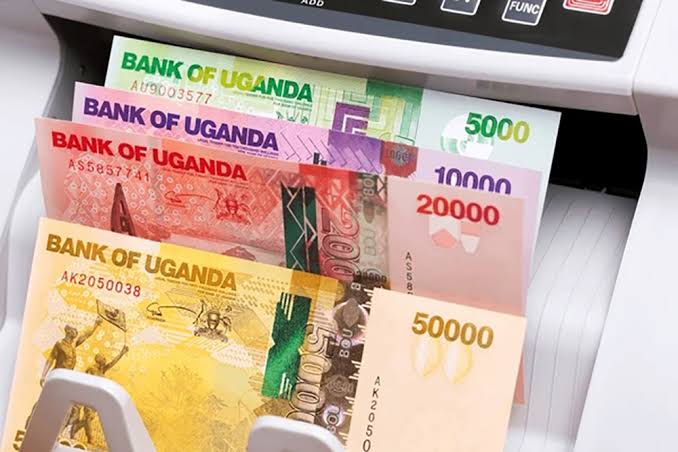
Kampala – The Uganda Shilling has continued to weaken against the United States dollar, with the official Bank of Uganda exchange rate climbing to new highs this week and commercial bank selling rates pushing closer to the Shs4,000 mark.
On Tuesday, the official mid-rate quoted by the central bank stood at approximately Shs3,919 per dollar, while commercial banks were offering the greenback at higher rates. Market players attributed the pressure to a sharp rise in demand for foreign currency at a time when inflows have not kept pace.
Analysts and traders say the surge in dollar demand is being driven largely by higher global oil prices, which have increased the cost of fuel imports, alongside reduced foreign-exchange earnings from some export sectors. The combination has left the shilling under sustained pressure in recent trading sessions.
Bank of Uganda Governor Michael Atingi-Ego has previously assured the market that the central bank retains the capacity to intervene and stabilise the currency when necessary. The BoU operates a market-determined exchange rate system and has historically stepped in to smooth excessive volatility rather than defend a fixed level.
The weakening shilling is expected to raise the cost of imported goods, including fuel, machinery, and consumer products, potentially feeding into broader inflation pressures in the coming weeks. Businesses that rely heavily on imported inputs are already reporting higher costs, while exporters may gain some competitiveness from a weaker local currency.
Currency dealers noted that the market remains liquid but cautious, with many players waiting to see whether the central bank will increase its presence in the interbank market. The development comes at a time when Uganda is preparing its next budget cycle and continues to manage external financing needs.
Economists warn that prolonged pressure on the shilling could complicate monetary policy if it begins to feed strongly into domestic prices. For now, authorities are monitoring the situation closely as global oil markets and regional trade flows remain key variables.
Trending UG will continue tracking movements in the foreign-exchange market and any official responses from the Bank of Uganda.