
Kampala – Uganda is stepping up its efforts to capture a piece of Africa’s growing sports tourism market. The Uganda Tourism Board (UTB) is pushing investors in Kasese District to quickly upgrade hotels improve infrastructure and enhance visitor facilities. This comes ahead of Uganda’s co-hosting of the 2027 Africa Cup of Nations (AFCON).
UTB Chief Executive Officer Juliana Kagwa and other senior officials have urged hospitality providers and investors to stop talking and start building. Many hotels in the area currently have limited capacity—some with 12 rooms and ratings of two or three stars. Officials say that unless these facilities are upgraded to meet four- and five-star standards Kasese may lose out on high-value visitors who will come during international events.
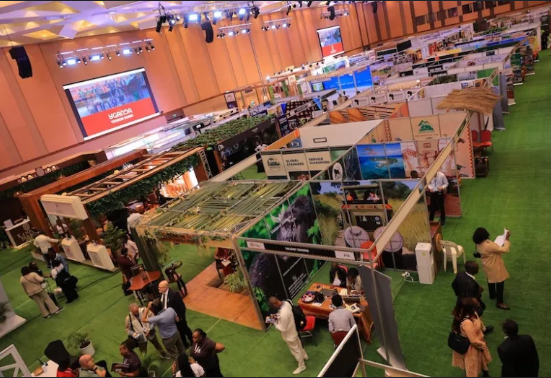
“Our job is to make sure every visitor who comes to Uganda leaves more of their spend here and comes back to spend again ” Kagwa said at an investors’ forum. She stressed that the 2027 AFCON will bring dozens of matches and could attract hundreds of thousands of fans, athletes and officials. That presents a chance to transform the local tourism economy.
Uganda’s role as co-host of AFCON 2027 is seen as a moment for sports tourism. The tournament is expected to draw attention and bring economic benefits through accommodation, transport, food, entertainment and local services. Beyond football organisers and tourism leaders hope the event will highlight Uganda’s attractions, including the Rwenzori Mountains, which lie along the border of Kasese.
Recent events have already shown promise. The fifth Tusker Lite Rwenzori Marathon, held in August 2026 brought athletes and international runners to the area while raising awareness about climate change. The race combined competition with community engagement and adventure helping to position Kasese as a rising destination for sports tourism.
UTB marketing officials say Africa is currently in the middle of a “sports tourism gold rush.” Countries across the continent are competing to host training camps, tournaments and major events. Uganda’s lower costs, diverse landscapes and improving infrastructure give it an advantage. A team of 20 athletes training for three months can create spending on accommodation, meals, transport and services with ripple effects throughout the local economy.
National tourism goals are bold. The government aims to grow hotel capacity from 10,000 rooms to nearly 39,000. It also plans to boost tourism earnings as part of economic growth. Sports tourism is seen as a part of this plan capable of attracting visitors who mix competition, training, wildlife safaris, cultural tours and adventure activities.
Investors are being encouraged to focus on projects that’re financially viable—such as new hotels, road improvements and airport upgrades in the Kasese area. Officials say the time between now and 2027 is narrow. If investments don’t happen quickly the region may not meet the expectations of teams or fans.
As Uganda tries to become a player in continental sports tourism the coming months will show whether Kasese and other host areas are ready to take full advantage. Success at AFCON 2027 could help cement Uganda’s reputation as a choice for major sporting events bringing lasting benefits long after the final whistle.
The message, from tourism leaders is clear: the opportunity is real. The timeline is short. The time to invest is now.