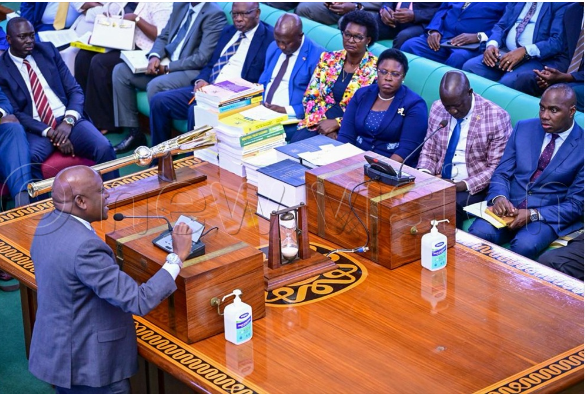
In the corridors of Uganda’s 12th Parliament, a steady and resolute effort is being made which has the potential to transform the lives of millions of farmers. The Opposition has positioned the new Contract Farming Bill at the centre of its five-year programme of legislation for the financial years 2026/27 to 2030/31. The objective is clear and urgent: to eliminate the severe post-harvest crop losses which at present range between 22 and 30 per cent. These figures are no speculation; they come from a 2023 report by the World Bank Group, a report that shows how food is rotting in fields, in stores and in markets simply because the systems designed to protect harvests have not kept up with the requirements of ordinary farmers. For years, inadequate storage, bad handling, weak contracts and limited access to affordable finance have sapped the efforts of Uganda’s agricultural sector. Agriculture still accounts for 26.5 per cent of the country’s GDP, employs about 70 per cent of the workforce and brings in about 35 per cent of export revenues. When nearly one-third of the harvest is lost after it leaves the garden, the whole economy suffers as a result. The proposed Contract Farming Bill aims to put an end to this situation. It would establish clear rules regarding contract terms, pricing, the supply of inputs, insurance and the settlement of disputes. For too long, many smallholder farmers have entered into agreements that they do not fully understand, only to be offered unfair prices or to find that their deals have been abandoned when the crop is ready. Together with the Bill, the Opposition is calling for a national post-harvest management policy and for major reforms in agricultural finance. The point being made is simple: farmers need more than just seeds and fertiliser; they need reliable storage, fair markets and credit that does not leave them deeply in debt. The legislative package also includes a proposal for a National Tea and Cocoa Policy in order to strengthen two value chains that have real potential for boosting rural incomes. It also calls for amendments to the Agricultural Chemicals Act and the Seeds Act. The aim is to strengthen enforcement and improve traceability so that fake inputs cease to deceive farmers about the value of their hard work. At a recent induction meeting, Opposition leaders emphasised that their role is not simply to oppose; it is to provide practical alternatives that actually improve people’s lives. The Contract Farming Bill, they say, is one such alternative. For farmers in the maize-growing areas of eastern Uganda, in the coffee-growing hills of the west, and in the grain fields of the north, the difference between a good season and one that is a waste often comes down to what happens after harvest. A bag of maize left in a damp place can become a loss within just a few days. A poorly drafted contract can turn all the labour of a season into disappointment. If the Opposition manages to get these reforms passed by Parliament, Uganda could start to close one of the most persistent gaps in its agricultural system. The figures are already known and the extent of the losses has already been calculated. What is left is the political will to take action. Farmers throughout the country will be watching closely. For many of them, each percentage point that is saved from post-harvest losses means more food on the table, more money for school fees and a bit more hope for the next season. The Bill is still only a proposal at this stage. But in a sector that feeds the nation and employs the majority, even such a significant proposal has the power to alter the course of events
Opposition Pushes Contract Farming Bill to Cut 22–30% Crop Losses